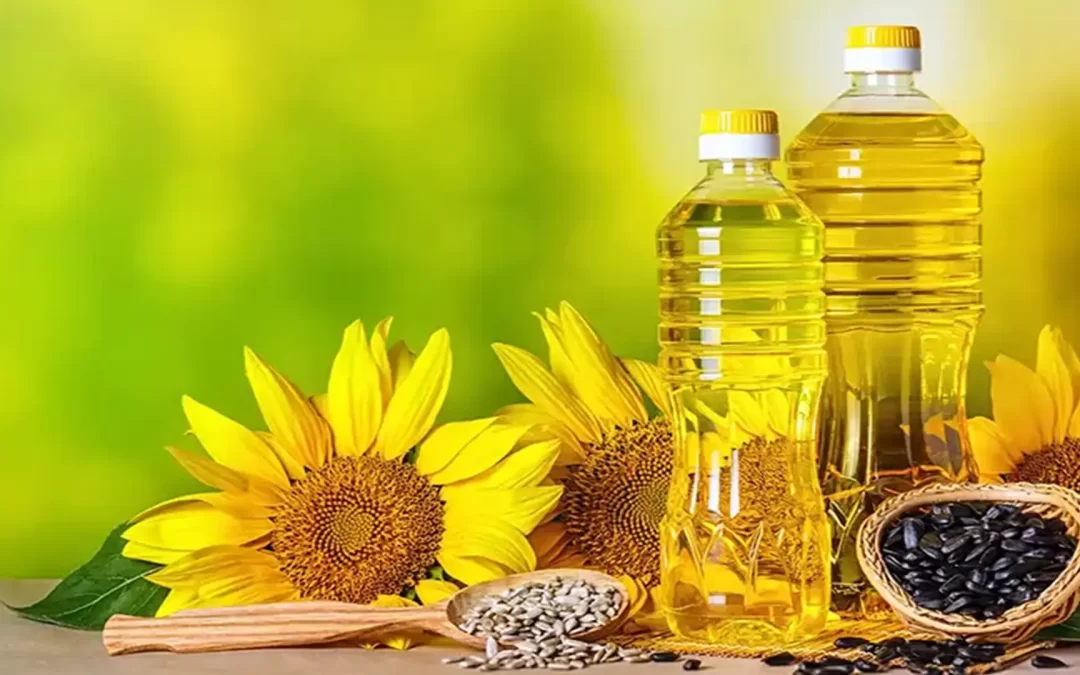
The Science On Seed Oils: Why Doctors Say They’re Safe

The Science On Seed Oils: Why Doctors Say They’re Safe

A shadowy corner of the Internet would have you believe that common kitchen staples you probably have in your pantry right now are poison. Social media personalities have waged war against the so-called “Hateful Eight”: canola, corn, cottonseed, grapeseed, soy, rice bran, sunflower, and safflower. According to certain TikTok-ers and podcasters, the oils extracted from these plants are toxic, inflammatory, and entirely to blame for serious health issues sweeping North America — from obesity to diabetes, heart disease, and stroke. No one is more baffled by these claims than scientists, nutritionists, and doctors. Below, we pit fact against fiction, breaking down the scientific evidence experts want you to know in the face of all the myths and misinformation proliferating online right now.

“It’s so odd that the internet has gone wild demonizing these things. They are not to be feared.” — Dr. Christopher Gardner, professor of medicine at Stanford University School of Medicine and nutrition scientist at the Stanford Prevention Research Center


What Are Seed Oils?

Also known as vegetable oil, seed oils are plant-based oils that have been used for cooking and baking in kitchens around the world for decades. They first came on the scene as an alternative to partially hydrogenated oils — a hefty source of trans fat. Starting around the 1950s, research started to uncover a link between these trans fats and increases in “bad” cholesterol levels. Today, partially hydrogenated oils and trans fats are widely known to cause heart disease and increase people’s risk of heart attacks. Seed oils were developed as a heart-healthy alternative. As their name suggests, seed oil is extracted from plants’ seeds, as opposed to their fruit. Some examples of seed oils include:

  • Canola (rapeseed) oil
  • Sunflower oil
  • Safflower oil
  • Soybean oil
  • Corn oil
  • Cottonseed oil
  • Grapeseed oil

To ensure delicious taste, cost-efficiency, and longer shelf life, many seed oils undergo a refining process — which brings us to the first false allegation waged against seed oils in the social media debate.


Seed Oil Myths vs Truths

Myth#1: Are seed Oils Toxic?

Critics claim this production process makes seed oils “unnatural,” full of toxic additives. But experts emphasize it’s precisely what makes the oils safe. “The processing actually takes out potentially toxic material,” explains Tom Sanders, emeritus professor of nutrition and dietetics at King’s College London. These impurities could impact seed oils’ taste, or cause them to spoil. The refining process helps keep seed oils fresh and shelf stable. Others point the finger at the “linoleic acid” in seed oils, which detractors say breaks down into unhealthy toxins when heated. Dr. Gardner explains that seed oils are indeed rich with linoleic acid, a type of omega-6 fatty acid. Where critics go wrong is in their claims that these acids are somehow “bad.” Omega-6 is a polyunsaturated fatty acid: a “good fat” that provides many health benefits, including reducing “bad” cholesterol and, in turn, risk of heart disease and stroke. In fact, the American Heart Association lists omega-6 fatty acids as part of a healthy diet.

Expert Insight

“The idea that linoleic acid is some sort of toxic thing is absolute nonsense. It’s an essential nutrient. Of the essential fatty acids, it’s the most important one. If you’re deficient, it impairs immune function and platelet function doesn’t work.” — Tom Sanders, emeritus professor of nutrition and dietetics at King’s College London.

Myth#2: Are Seed Oils Inflammatory?

Linoleic acid is also at the heart of a second myth about seed oils, which is that they are “inflammatory” and, as a result, causes chronic illness. Science says otherwise. Sarah Berry, professor of nutritional sciences at King’s College London, explains that this myth hinges on a misunderstanding of the difference between omega-6 and omega-3. Like the omega-6 found in linoleic acid, omega-3 is also an essential polyunsaturated fatty acid. Omega-3 is found in foods like fish, chia seeds, and flaxseed and is widely praised for being “anti-inflammatory” and health-promoting. “The enzymes used to convert omega-3 into anti-inflammatory chemicals are the same ones used to convert omega-6,” Berry notes. This seems to concern seed oil critics: “Their argument is that having too much seed oil will mean the enzymes are stolen away from the omega-3. This isn’t true.” Instead, Berry and countless other experts say a balance is best. “Scientists who study omega-6 and omega-3 think we need both,” says Martha Belury, an Ohio State University food science professor who has studied fatty acids for three decades. “Seed oils do not increase acute or chronic inflammation markers.” Dr. Gardner from Stanford agrees. “Both omega-6 and omega-3 fats play a role in the inflammatory response of the body,” he says. “What is optimal is a balance.”

Myth#3: Do Seed Oils Cause Obesity and Heart Disease?

Whether they reference the toxicity myth or misinformation on inflammation, most people are wondering if seed oils are unhealthy — responsible for the obesity and heart health epidemics. Ironically, science says the opposite: seed oils lower bad cholesterol, reduce inflammation, and offer a heart-healthy alternative to trans fats. Remember, seed oils emerged in the first place because research revealed the dire health consequences of consuming trans-fat-laden partially hydrogenated oils. These saturated fats can raise cholesterol levels and increase people’s risk for heart disease and stroke. Over the past 50 years, cardiovascular disease has been on the decline — and scientists say we have seed oils to thank. “It has been shown to reduce blood cholesterol significantly,” reports Berry. “I would say that not only are seed oils not bad for us, they are a healthy part of our diet.” For example, one study published in Journal of the American Medical Association (JAMA) found that people who consumed 2.5 to three teaspoons of butter every day increased their risk of death by 15 per cent. On the other hand, those who replaced butter with the same amount of plant-based oil saw a 17% reduction in risk of death. Another study found that people who consumed more linoleic acid had lower levels of glucose, insulin, and inflammation. These are all risk factors for type 2 diabetes and heart disease. In other words, this study showed that higher consumption of linoleic acid is associated with a lower risk of diabetes, heart attack, and stroke.

Expert Insight

“Despite growing concern by the public that seed oils are health-harming, this study adds to the already sizable body of research that says this is just not true. I hope that this study and others like it quash some of the fears that people have about seed oils. “If I thought [canola oil] was harmful, I wouldn’t be [cooking with] it myself.” — Nate Wood, Yale Medicine obesity and internal medicine physician

Myth#4: Aren’t Chronic Diseases Rising Alongside Seed Oil Consumption?

Seed oil consumption has increased exponentially over the last several decades. Rates of concerning health issues, from obesity to diabetes, have also risen over a similar timeframe — causing critics to speculate that seed oils are to blame. But as Berry explains: “Association does not mean causality. Think what else has changed; our food landscape is almost unrecognisable compared with 70 years ago. It’s estimated 60% of the seed oils we consume come from ultra-processed food which has many other chemicals that are unhealthy for us and processes that affect the healthfulness of the food.” In other words: it’s not the seed oils themselves that are the problem here. Abby Langer, a registered dietitian in Toronto, says over-consuming ultra-processed foods can cause rapid weight gain and ultimately lead to other health issues. Often, these negative health consequences stem from harmful ingredients in these foods, like high-fructose corn syrup, added sugars, and sodium. Dr. Gardner agrees: “It’s hard to cast the blame on the seed oils when these foods contain so many other things.”

Expert Insight

“We do know that diets high in processed foods are linked to poorer health outcomes. The seed oil is not the likely driver for negative health effects. These processed foods also tend to have higher levels of refined carbohydrates, salt and sugar, which are all things we know in excess can impact health negatively.” — Jason S. Ewoldt, M.S., RDN, wellness dietitian at Mayo Clinic


How Did We Get Here?

The science on seed oils is very clear. Decades of research shows that seed oils are safe, non-toxic, and can in fact reduce your risk for various health concerns. Given the overwhelming amount of evidence in favour of seed oils, you might be wondering: how did these pantry staples become so vilified? Qualified experts are equally exasperated by the baseless speculation they see online. For social media influencers, more dramatized, outrageous claims typically mean more attention and engagement. Some therefore reduce complex science to oversimplified soundbites.

“The seed oil scare is all just gossip. It’s not based on any good science at all. Human nature is such that we are more susceptible to risk and scare headlines. They’re going to get more clicks than a balanced, boring nutrition scientist like myself saying seed oils are fine as part of a balanced diet.” — Sarah Berry, professor of nutritional sciences at King’s College London

In short, not all “influencers” are qualified to offer nutrition or health guidance. Instead, let’s hear from the experts who are.


Seed Oils: Part of Your Healthy, Balanced Diet

Doctors, scientists, and nutritionists emphasize that seed oils can be a valuable inclusion in your healthy, well-rounded diet for many reasons:

1. Heart Health

As mentioned, seed oils can lower “bad” cholesterol, reducing risk for challenges such as heart attacks. Studies show that using seed oils in place of butter is an easy way to protect your cardiovascular health. Public health organizations, including the American Heart Association, recommend this switch.

2. The “Gateway Ingredient” Effect

With their high smoke points and varied flavours, seed oils are suitable for a diverse range of cooking needs — from sautéing to salad dressings. Experts say they can therefore serve as “gateway ingredients,” opening the door to even more nutritious food choices. To illustrate the concept, Dr. Gardner says he would use sesame oil when making a vegetable stir-fry. “And if it means that, because you did that, you’re going to have the veggie stir-fry and the salad and you’re going to eat more of it because of the flavor? Fantastic.”

“The seed oils are not killing you. They are helping you enjoy more healthy foods.” — Dr. Christopher Gardner, professor of medicine at Stanford University School of Medicine and nutrition scientist at the Stanford Prevention Research Center


The Bottom Line: What Should You Eat?

At the end of the day, it’s up to each of us to believe in science over soundbites. And the science couldn’t be clearer: seed oils are not only perfectly safe, but a valuable addition to your diet. Qualified experts emphasize the bigger picture. If you’re aiming to eat well and take care of your health, focus on:

  • Enjoying more home-cooked meals, as opposed to eating out
  • Opting for more whole foods over ultra-processed ones
  • Incorporating a variety of vegetables, lean protein, whole grains, and healthy fats into each meal

And if seed oils help you achieve these goals? Then they’ve earned their place in your pantry.


References and Further Reading:

  1. Dietary Linoleic Acid and Risk of Coronary Heart Disease
  2. Kennedy and Influencers Bash Seed Oils, Baffling Nutrition Scientists
  3. Replacing Butter by Some Plant Oils Could Significantly Lower Risk of Mortality, New Study Finds
  4. RFK Jr Says They Are Poisoning Us, Influencers Call Them Unnatural – But What is the Truth About Seed Oils?
  5. Robert F. Kennedy Jr. Says Beef Tallow is Healthier Than Seed Oils. Is He Right?
  6. Social Media Suggests Seed Oils — Like Canola — Are Bad For You. More Science is Saying Otherwise
  7. The Pros and Cons of Seed Oils, and How to Incorporate Them in Your Diet
  8. There’s No Reason to Avoid Seed Oils and Plenty of Reasons to Eat Them
  9. Worried About Seed Oils? Studies Say Linoleic Acid May Actually Lower Disease Risk
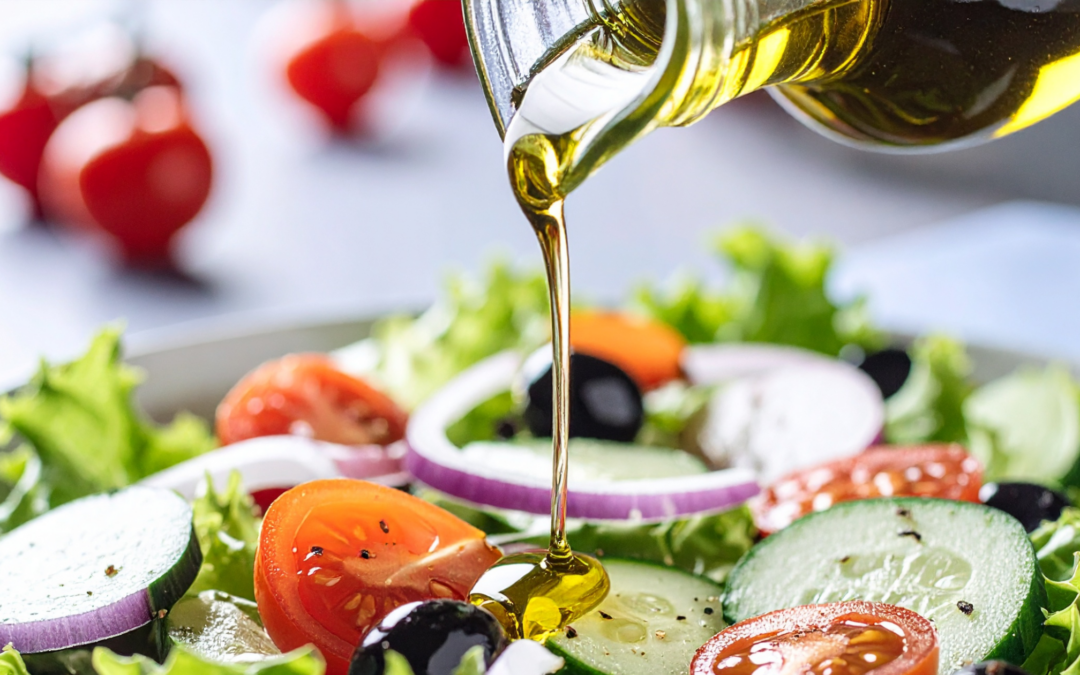
Cloudy Olive Oil or White Particles?   Here’s Why It’s Completely Normal

Cloudy Olive Oil or White Particles? Here’s Why It’s Completely Normal

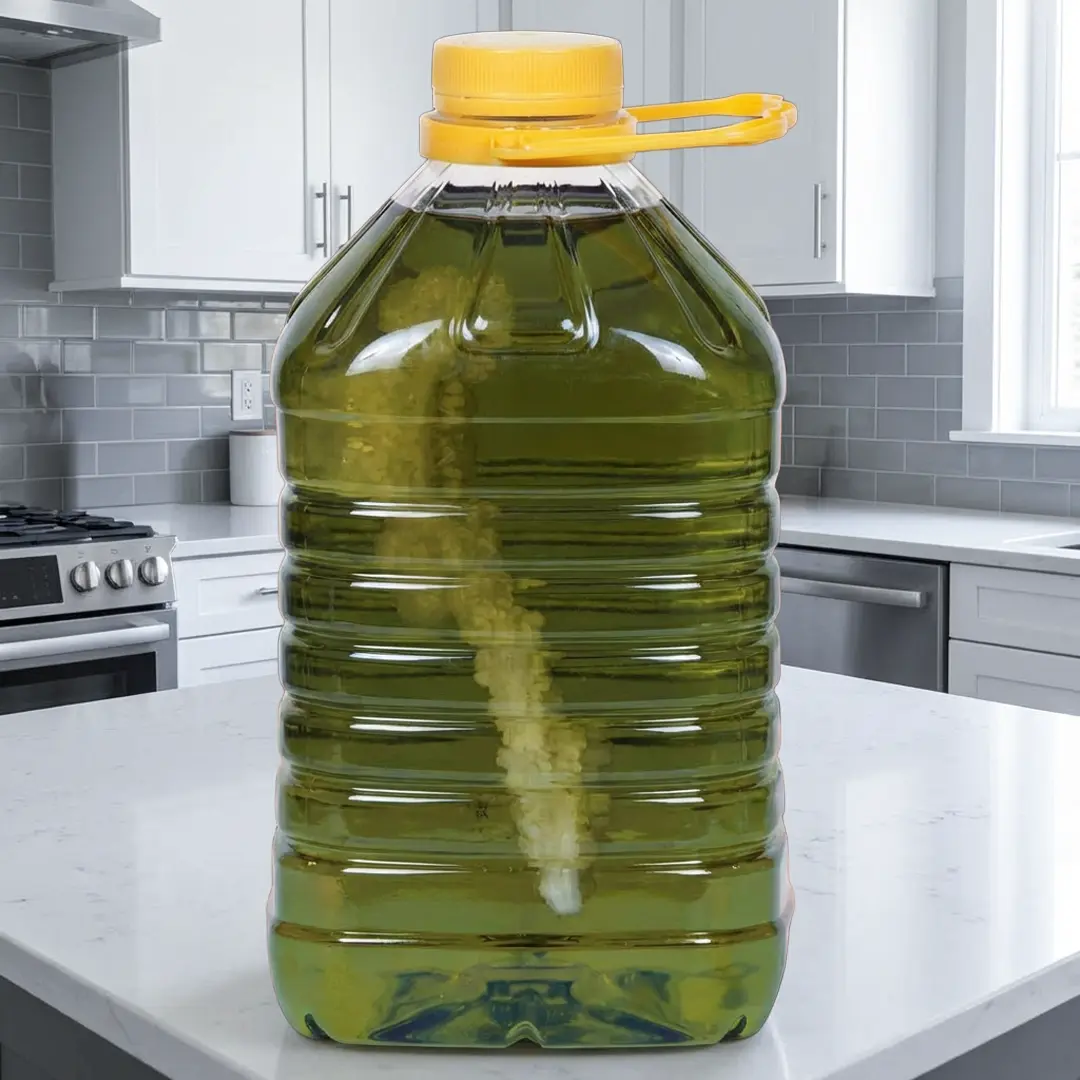
If you notice white particles, cloudiness, or slight thickening in your extra virgin olive oil, there’s nothing wrong with it.

This is a natural, temporary reaction to cold temperatures and often a sign of pure, minimally processed olive oil.

Here’s why your olive oil might have gone cloudy, and how to bring it back to its clear, liquid state.

Why Olive Oil Becomes Cloudy or Forms White Particles

Extra virgin olive oil contains natural fats that can begin to solidify when exposed to cooler temperatures (typically below 10°C).

When this happens, you may notice:

  • Small white particles or “flakes”
  • A cloudy or murky appearance
  • Slight thickening or partial solidification

What It Looks Like

Here is an example of olive oil that has been exposed to cooler temperatures, causing some of its natural fats to solidify.

The small white particles and cloudy appearance you see are a normal, temporary change.

As the oil warms back to room temperature, it will gradually return to its clear, liquid state without any impact on quality or taste.

What Causes This Change in Olive Oil

Olive oil is made up of natural compounds, including triglycerides and waxes. They solidify at different temperatures.

When the oil gets cold, some of these components begin to crystallize, creating the white particles or cloudiness you’re seeing.

A Normal Reaction to Cold Temperatures

This same process happens with many everyday foods.

Some common examples you’ve probably seen before:

  • Butter hardens in the fridge
  • Bacon fat turns white when cooled
  • Coconut oil solidifies at room temperature

A natural temperature change: solid when cold, liquid when warm.


A natural temperature change: solid when cold, liquid when warm.

There’s No Impact on Quality or Safety

Cold temperatures may change how your olive oil looks, but it does not impact its quality.

  • Your olive oil is still safe to consume
  • Taste and nutritional value are unchanged
  • Quality is fully preserved
  • No damage has occurred

In fact, this natural reaction is a sign of pure, minimally processed olive oil.

Why You May Notice Changes More in Cold Weather

During colder winter months, olive oil can be exposed to low temperatures during shipping, storage, or even in your home.

This can temporarily cause cloudiness or crystallization, but it does not harm the oil.

How to Return Your Olive Oil to Normal

To bring your olive oil back to its clear, liquid state:

  1. Store it at room temperature
  2. Leave it undisturbed for several hours to a few days
  3. No special handling or heating is required

As the oil warms, it will naturally return to normal.

Frequently Asked Questions:

K
L
K
L
Does cloudy olive oil mean it’s gone bad?

No, cloudiness alone does not mean your olive oil has gone bad.

Often, haziness or white particles are simply a natural reaction to cold temperatures. You’ll know your olive oil has spoiled if it smells and tastes off. Olive oil that’s past its prime smells waxy, like old crayons or candles, and tastes flat and greasy.

If your olive oil smells and tastes great, but has some white particles or cloudiness, it is safe to use.

K
L
Can I still use my olive oil if it has white particles?

Yes, the white particles are harmless and will dissolve once the oil warms up. They are a natural part of high-quality olive oil and do not impact its safety, taste, or nutritional value.

K
L
How long will it take for the olive oil to clear up?

Store it at room temperature and it should return to its normal liquid state within a few hours. If it has been exposed to very cold conditions for an extended period, it may take longer.

K
L
Why hasn’t my olive oil cleared up yet, after being at room temperature for hours?

If the olive oil remains cloudy even after being at “room temperature,” it’s likely because the temperature in the room itself is below the ideal range of 20–25°C.

For example, if your pantry is extra-cold, or you’ve been storing your olive oil close to an AC vent, try moving it to a warmer cupboard.

In some cases, certain natural compounds in the oil might remain solidified or cloudy, even after coming to room temperature. This is still normal, especially for high-quality extra virgin olive oils. You can still use your olive oil as usual, or wait a little longer; over time, it will gradually clear up.

K
L
How should I store my olive oil?

Never store your olive oil in the refrigerator. For best results, keep it in a dark place at a temperature between 20–25°C.

Keeping your olive oil out of the light and at room temperature helps maintain its freshness and prevents cloudiness caused by cold.

K
L
Can I filter the white particles out of my olive oil?

You can, but it’s unnecessary. These solids will naturally dissolve back into the oil as it returns to room temperature.

Filtering them out won’t improve the quality of the oil and may remove some beneficial compounds.

Still have questions?

If you have any concerns about your product, feel free to contact our team. We’re always happy to help.

Margarine vs Butter: Which is Healthier? Experts Explain

Margarine vs Butter: Which is Healthier? Experts Explain

Few foods spark as much debate as butter vs margarine. One is often framed as “natural,” the other as “processed.” But when it comes to your health, the science tells a more nuanced story.

If you’re trying to eat healthier, reduce your saturated fat intake, or support your heart health, here’s what nutrition experts want you to know about butter and margarine.

What Are Butter and Margarine?

Butter is made by separating cream from milk, then churning the cream until it solidifies. The remaining liquid (buttermilk) is drained off, and salt is typically added.

Margarine, on the other hand, is made by blending vegetable oils with water to create a smooth, spreadable solid. Modern margarines are designed to emulate butter’s taste and texture, while offering a healthier fat profile.

Margarine vs Butter: Your Top Questions, Answered

1. Does butter or margarine have healthier fats?

The biggest nutritional difference between butter and margarine is the type of fat they contain.

Butter

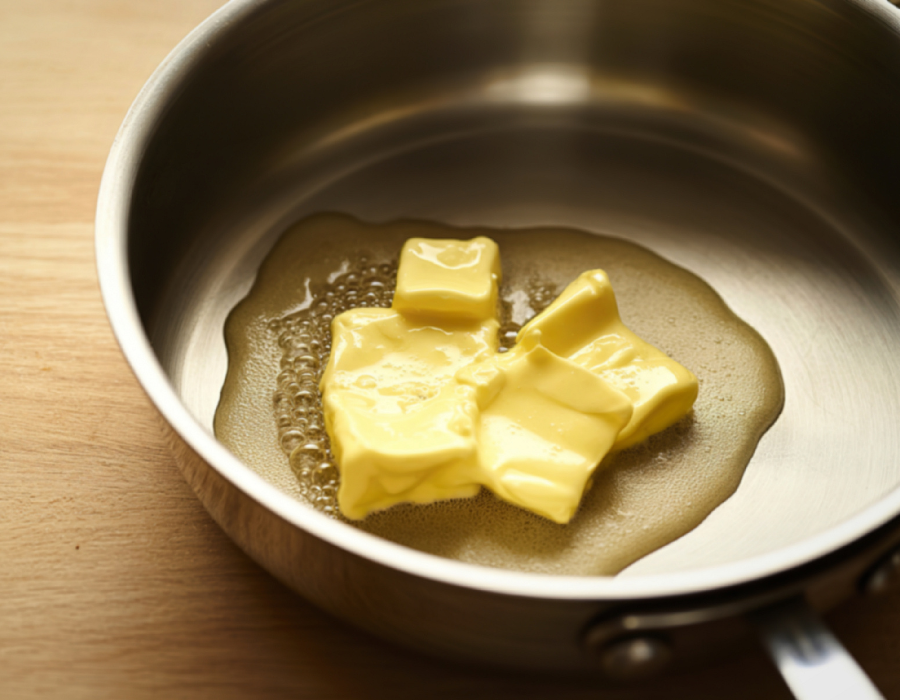
Pat of butter bubbling in frying pan

Butter, high in saturated fat, can impact heart health.

Butter is about 50% saturated fat.

According to preventive cardiology dietitian Julia Zumpano, eating too much saturated fat can raise LDL (“bad”) cholesterol levels, increasing your risk of heart attack and stroke.

How much is too much?

Doctors recommend no more than 30g for men and 20g for women daily. And just one heaped teaspoon of butter can contain up to 5g of saturated fat, says Dell Stanford, Senior Dietitian at the British Heart Foundation.

In other words, butter can use up a large chunk of your daily saturated fat “allowance” very quickly.

Quotation marks“Butter is also very energy dense, which means excess use may contribute to weight gain,” adds registered dietician Emer Delaney.
Margarine

Margarine curls on knife

Margarine, lower in saturated fat and cholesterol-free, can be a heart-healthier alternative.

On the other hand, modern margarines are typically made from unsaturated vegetable oils like rapeseed, sunflower, or olive oil.

As a result, margarine can contain 50% less saturated fat than butter.

Replacing saturated fats (like butter) with unsaturated fats (like margarine) has been shown to:

    • Lower “bad” LDL cholesterol and, in turn,
    • Reduce the risk of heart disease, heart attack, and stroke.


Quotation marks“Margarine has the better nutrient profile in terms of being lower in saturated fat than butter,” concludes Dr. Melissa Lane, Postdoctoral Research Fellow at Deakin University.

2. How did margarine come to be misunderstood?

In the mid-twentieth century, butter came under fire for its high saturated fat levels. Nutritionists recommended margarine as a healthier alternative.

At the time, though, margarines were made using a process called hydrogenation, which created trans fats. These were later linked to increased risk of heart disease.

Today, that’s no longer the case.

Quotation marks“Nowadays, manufacturers do things differently,” Stanford explains. “They have found a way of making margarine that doesn’t produce trans fats, so you don’t need to worry about that…anymore.”

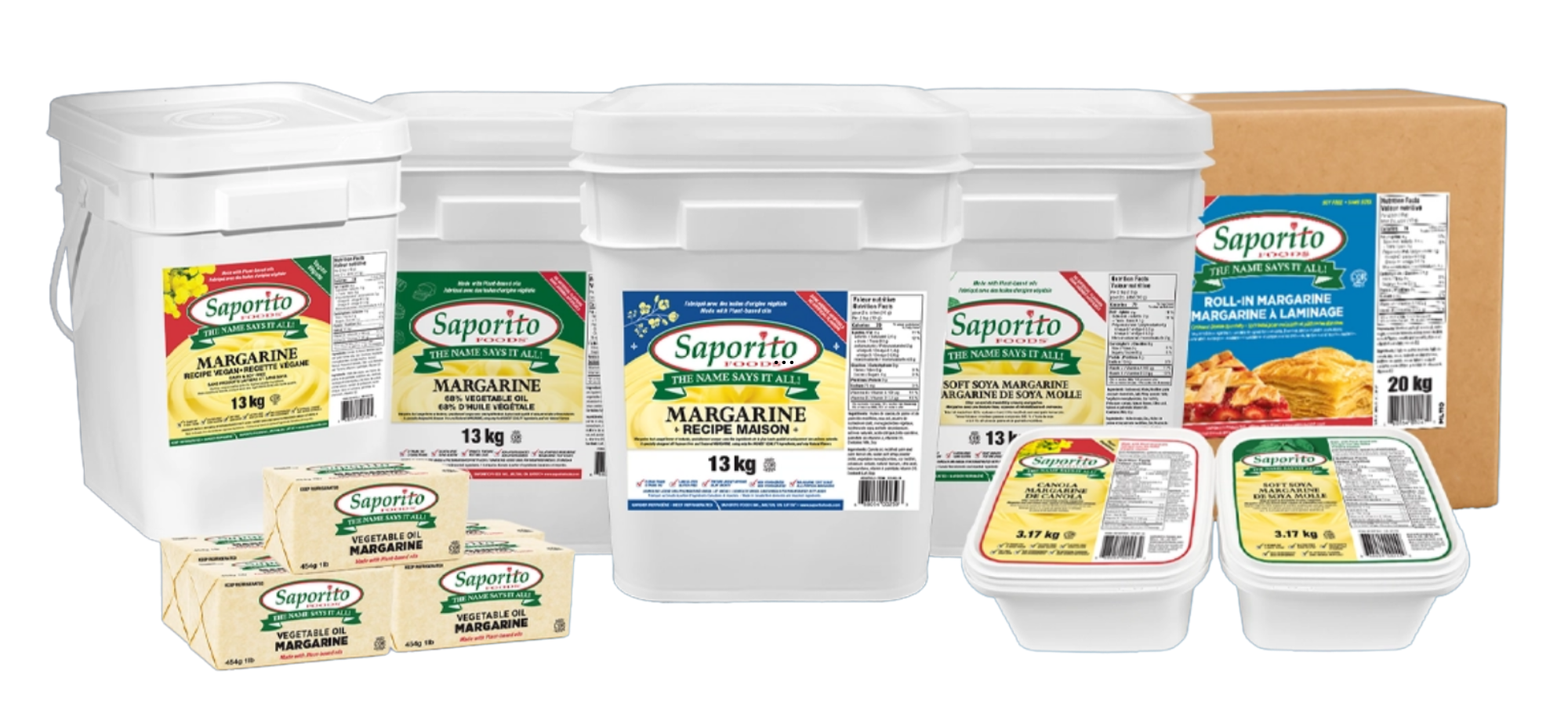
Margarine tubs

Modern margarines like Saporito Foods’ are trans fat-free, making them excellent alternatives to butter.

3. Are some margarines better than others?

Yes! As Zumpano puts it: “not all margarine is created equal.”

You can choose a healthy margarine by reading its nutrition label.

Quotation marks“Check the saturated fat as well as the salt content,” advises Stanford. “Too much salt can raise your blood pressure and increase your risk of cardiovascular disease.”

If you’re trying to lose weight, choosing a lighter, lower-calorie margarine can help.

4. Is margarine an “ultra-processed” food, and does that matter?

Diets high in ultra-processed foods can negatively impact health. But processing alone doesn’t determine whether a food is healthy.

As Professor Lisa Harnack of the University of Minnesota points out, “Breakfast cereals are mostly ultra-processed, but they’re a great source of fibre.”

In the same way, margarine provides important nutrients like:

  • Essential fatty acids (Omega-3 and Omega-6)
  • Vitamins A and D

Quotation marksBecause they still have nutritional benefits, Harnack concludes: “The science isn’t there to back up making a carte blanche recommendation to avoid all ultra-processed foods.”

Especially if you’re using it as a replacement for saturated fats like butter, margarine can provide real nutritional value.

The Bigger Picture:
Your Spread Is Just One Part of a Healthy Diet

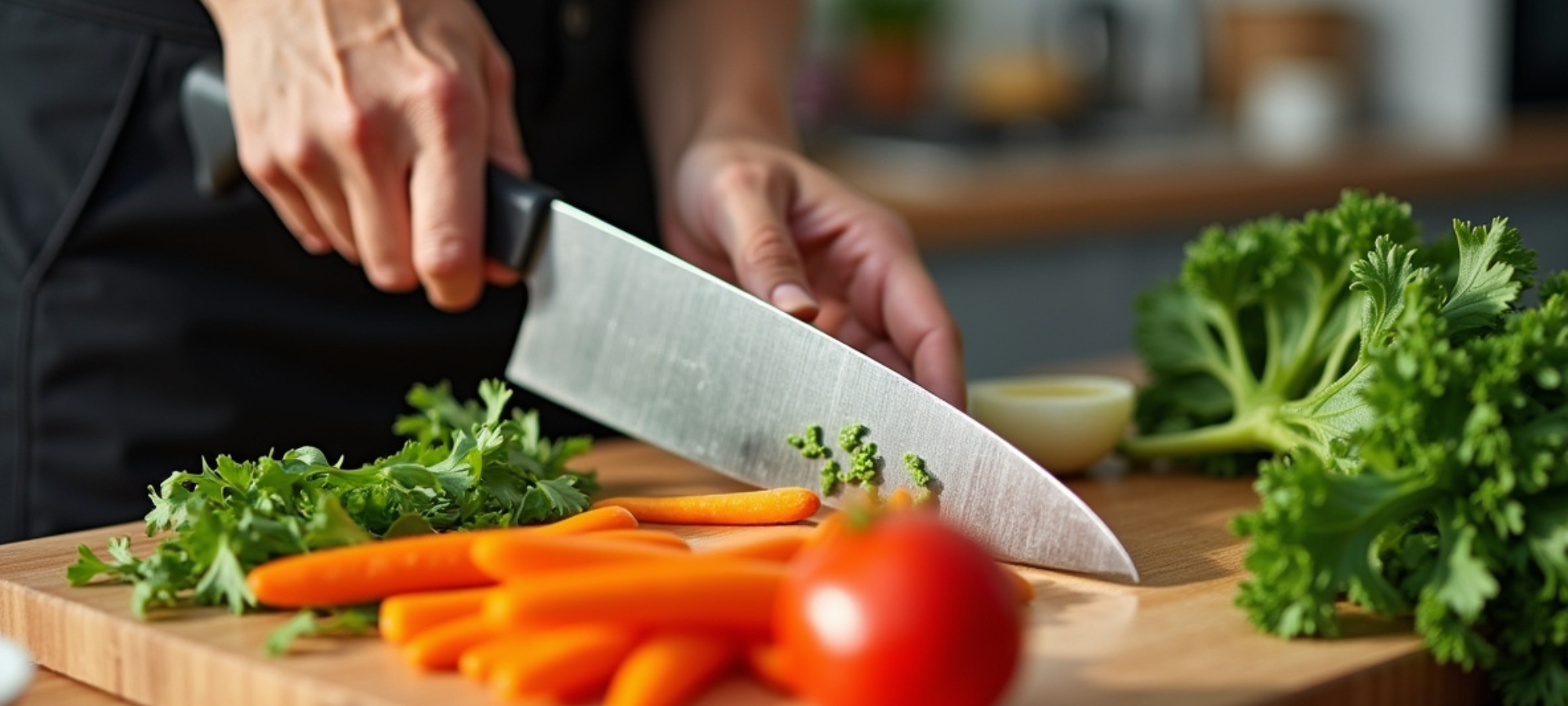
Hands holding knife chopping veggies

While the choice between butter and margarine matters, experts agree your overall diet matters more.

Quotation marks“It’s really your overall diet that makes the difference, rather than a single food,” says Stanford.

University College London’s Professor Anastasia Kalea agrees: “No food stands in isolation when it comes to risks or benefits.”

Instead, context is key. As Clare Collins, laureate professor of nutrition and dietetics at Newcastle University in Australia, explains:

Quotation marks“It depends how much of it you have. If you’re scraping butter onto toast once a week, and the rest of your diet is healthy, it probably doesn’t matter.

But this isn’t what most people eat. People have diets dominated by energy-dense, nutrient-poor food. We’re not cooking from scratch, or buying as much fruit and vegetables, so we don’t realise that our fat intake is as high as it is.”

With that in mind, small choices — like switching from butter to margarine — add up over time.

It’s also not just about the spread itself, but what you’re eating it with.

“If you’re putting butter on a corn-on-the-cob, rather than a croissant, it’s a completely different meal,” says Collins.

Pairing a heart-healthier spread like margarine with whole grains, vegetables, and balanced meals helps support better long-term nutrition.

Whole grains, vegetables, balanced meals prepared in containers

The Bottom Line: Butter or Margarine?

When choosing between butter and margarine, the evidence is clear.

Butter:

❌ High in saturated fat
❌ Raises LDL cholesterol
❌ Increases heart disease risk

Margarine:

✔ Lower in saturated fat
✔ Cholesterol-free
✔ Made from heart-healthy oils
✔ Enriched with vitamins A and D

If you want a simple upgrade for your heart, switching from butter to margarine is one of the easiest and most effective changes you can make. Whether you’re topping toast, cooking vegetables, or baking, choosing modern, trans-fat-free margarine over butter helps reduce saturated fat and support better health.

References and Further Reading: