This is a natural, temporary reaction to cold temperatures and often a sign of pure, minimally processed olive oil.
Here’s why your olive oil might have gone cloudy, and how to bring it back to its clear, liquid state.
Why Olive Oil Becomes Cloudy or Forms White Particles
Extra virgin olive oil contains natural fats that can begin to solidify when exposed to cooler temperatures (typically below 10°C).
When this happens, you may notice:
- Small white particles or “flakes”
- A cloudy or murky appearance
- Slight thickening or partial solidification
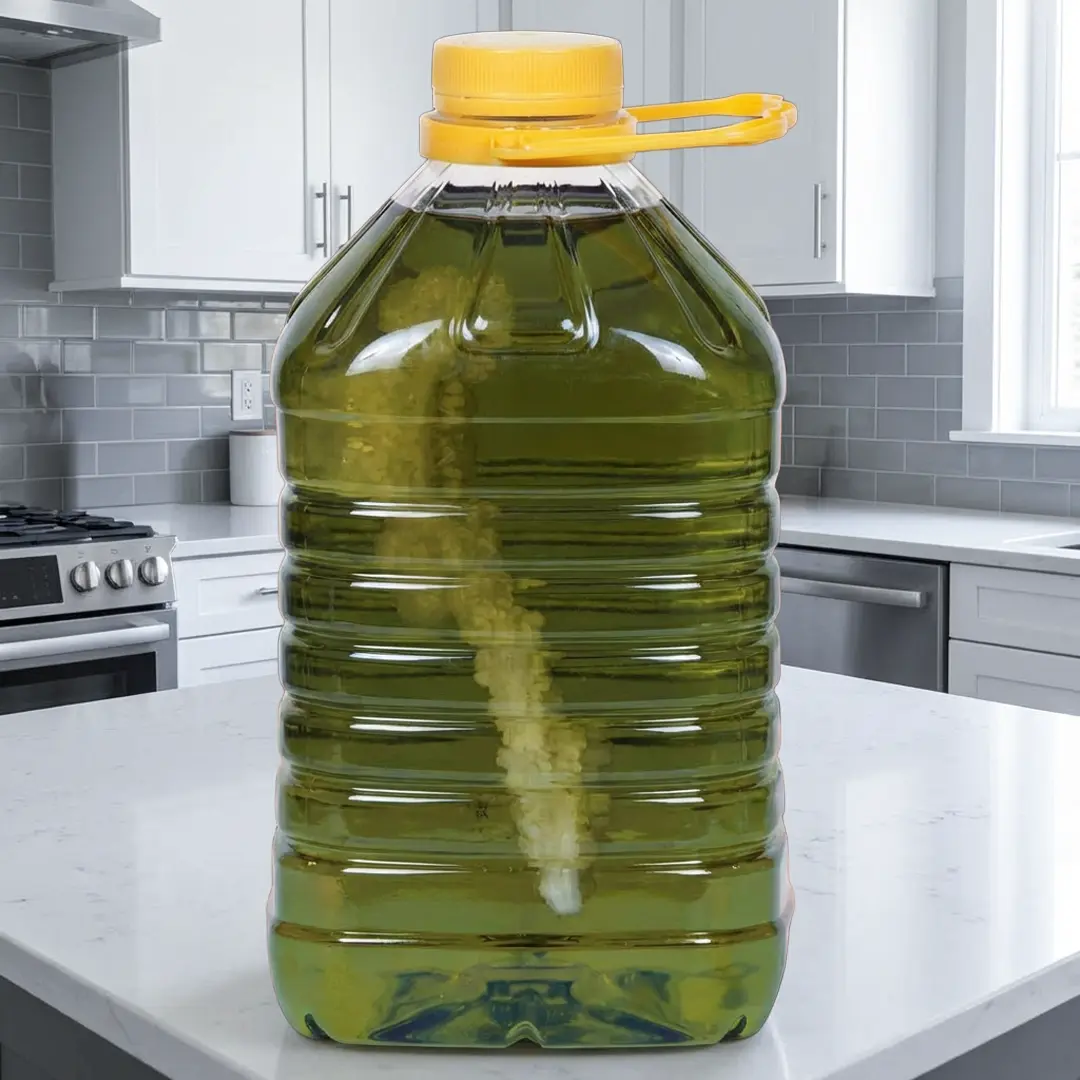
What It Looks Like
Here is an example of olive oil that has been exposed to cooler temperatures, causing some of its natural fats to solidify.
The small white particles and cloudy appearance you see are a normal, temporary change.
As the oil warms back to room temperature, it will gradually return to its clear, liquid state without any impact on quality or taste.
What Causes This Change in Olive Oil
Olive oil is made up of natural compounds, including triglycerides and waxes. They solidify at different temperatures.
When the oil gets cold, some of these components begin to crystallize, creating the white particles or cloudiness you’re seeing.
A Normal Reaction to Cold Temperatures
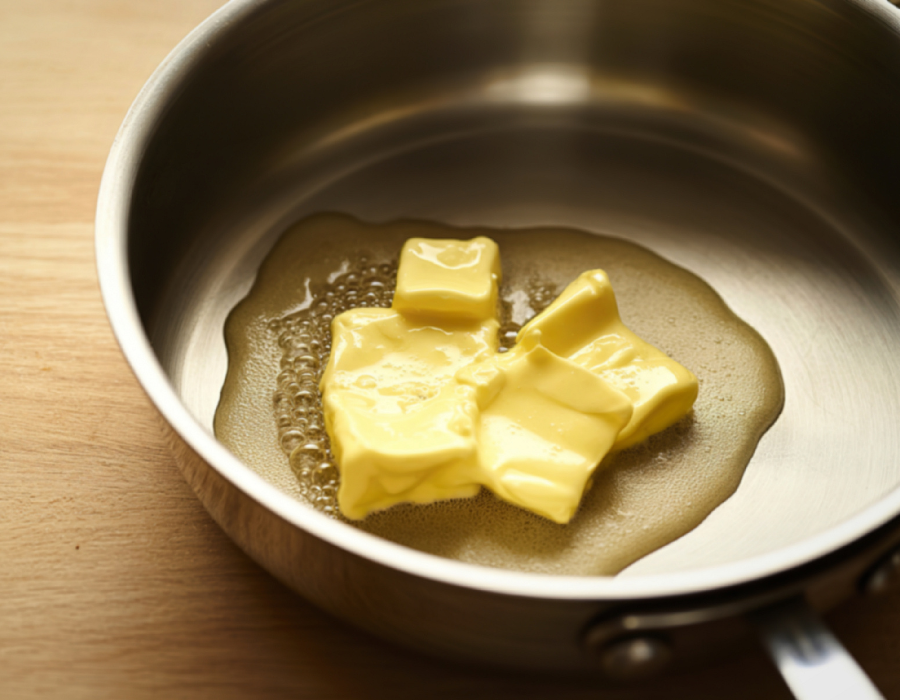
This same process happens with many everyday foods.
Some common examples you’ve probably seen before:
- Butter hardens in the fridge
- Bacon fat turns white when cooled
- Coconut oil solidifies at room temperature
A natural temperature change: solid when cold, liquid when warm.
There’s No Impact on Quality or Safety
Cold temperatures may change how your olive oil looks, but it does not impact its quality.
- Your olive oil is still safe to consume
- Taste and nutritional value are unchanged
- Quality is fully preserved
- No damage has occurred
In fact, this natural reaction is a sign of pure, minimally processed olive oil.
Why You May Notice Changes More in Cold Weather
During colder winter months, olive oil can be exposed to low temperatures during shipping, storage, or even in your home.
This can temporarily cause cloudiness or crystallization, but it does not harm the oil.
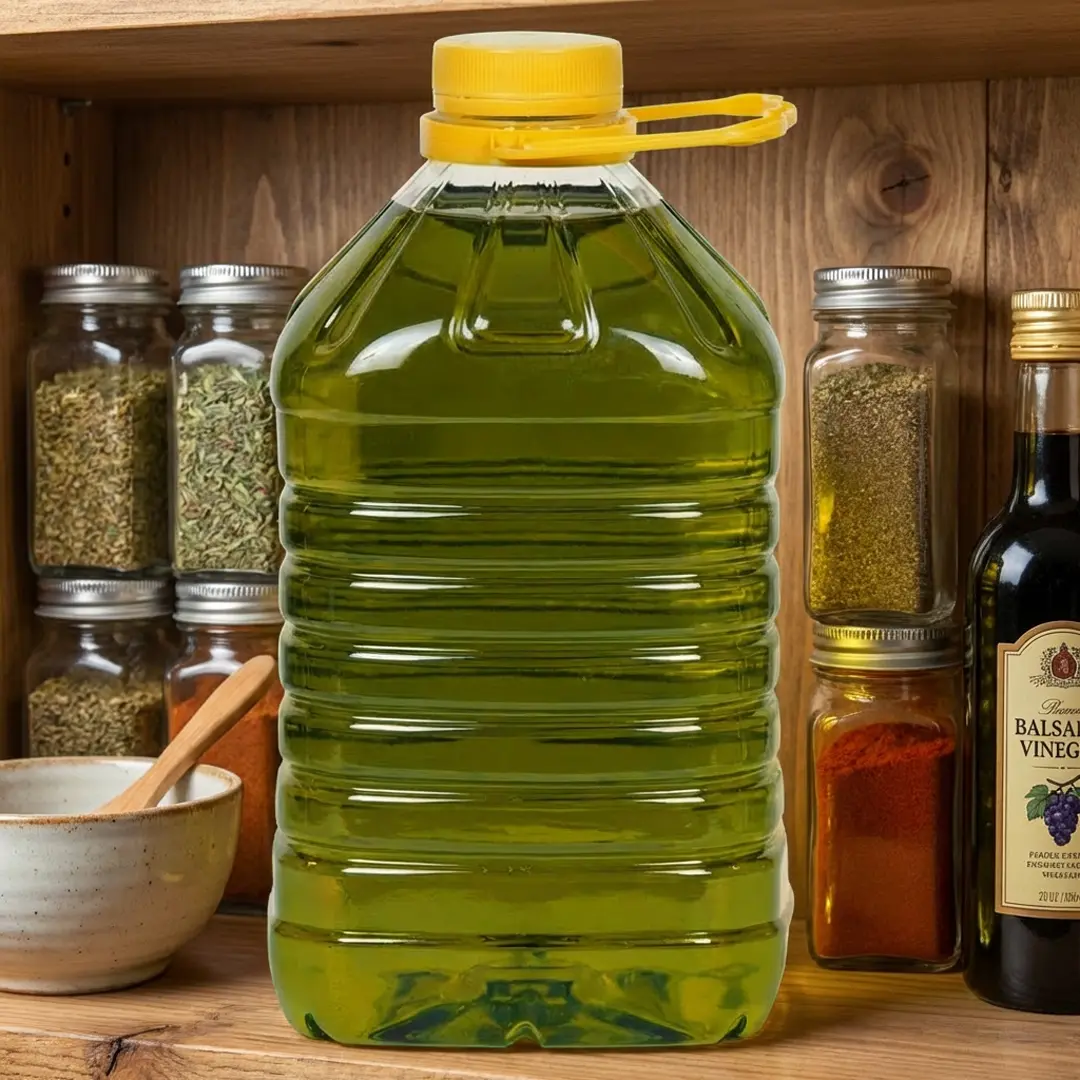
How to Return Your Olive Oil to Normal
To bring your olive oil back to its clear, liquid state:
- Store it at room temperature
- Leave it undisturbed for several hours to a few days
- No special handling or heating is required
As the oil warms, it will naturally return to normal.
Frequently Asked Questions:
Does cloudy olive oil mean it’s gone bad?
No, cloudiness alone does not mean your olive oil has gone bad.
Often, haziness or white particles are simply a natural reaction to cold temperatures. You’ll know your olive oil has spoiled if it smells and tastes off. Olive oil that’s past its prime smells waxy, like old crayons or candles, and tastes flat and greasy.
If your olive oil smells and tastes great, but has some white particles or cloudiness, it is safe to use.
Can I still use my olive oil if it has white particles?
Yes, the white particles are harmless and will dissolve once the oil warms up. They are a natural part of high-quality olive oil and do not impact its safety, taste, or nutritional value.
How long will it take for the olive oil to clear up?
Store it at room temperature and it should return to its normal liquid state within a few hours. If it has been exposed to very cold conditions for an extended period, it may take longer.
Why hasn’t my olive oil cleared up yet, after being at room temperature for hours?
If the olive oil remains cloudy even after being at “room temperature,” it’s likely because the temperature in the room itself is below the ideal range of 20–25°C.
For example, if your pantry is extra-cold, or you’ve been storing your olive oil close to an AC vent, try moving it to a warmer cupboard.
In some cases, certain natural compounds in the oil might remain solidified or cloudy, even after coming to room temperature. This is still normal, especially for high-quality extra virgin olive oils. You can still use your olive oil as usual, or wait a little longer; over time, it will gradually clear up.
How should I store my olive oil?
Never store your olive oil in the refrigerator. For best results, keep it in a dark place at a temperature between 20–25°C.
Keeping your olive oil out of the light and at room temperature helps maintain its freshness and prevents cloudiness caused by cold.
Can I filter the white particles out of my olive oil?
You can, but it’s unnecessary. These solids will naturally dissolve back into the oil as it returns to room temperature.
Filtering them out won’t improve the quality of the oil and may remove some beneficial compounds.
Still have questions?
If you have any concerns about your product, feel free to contact our team. We’re always happy to help.